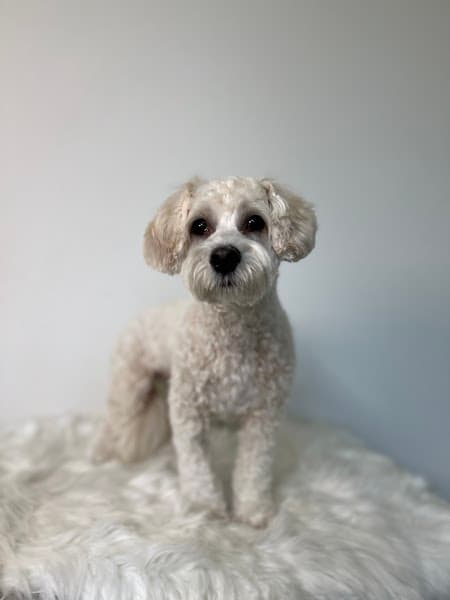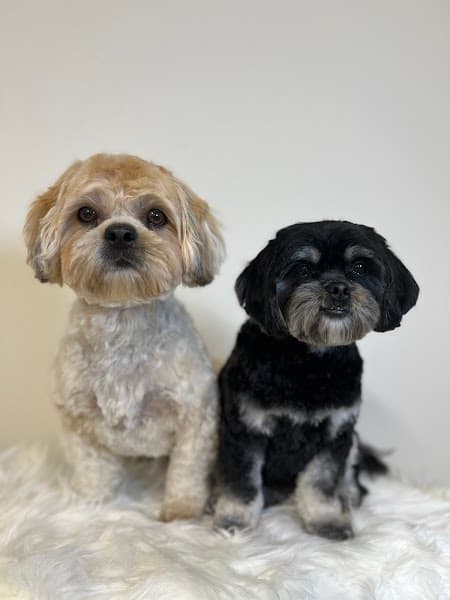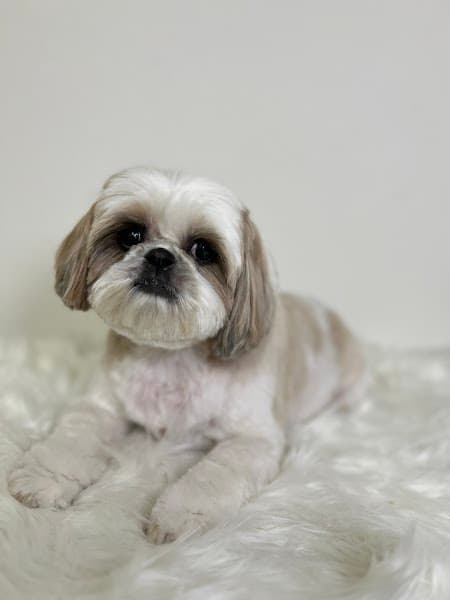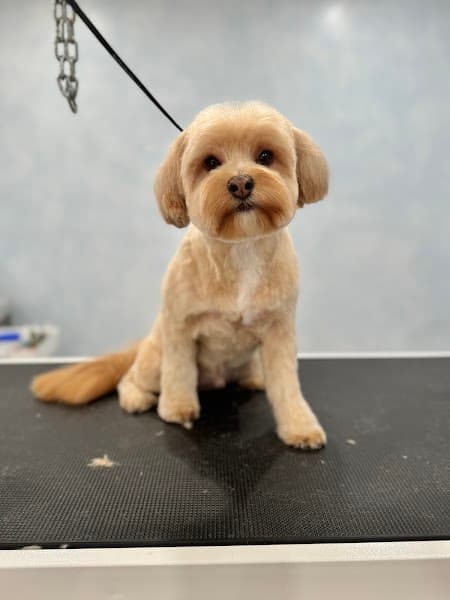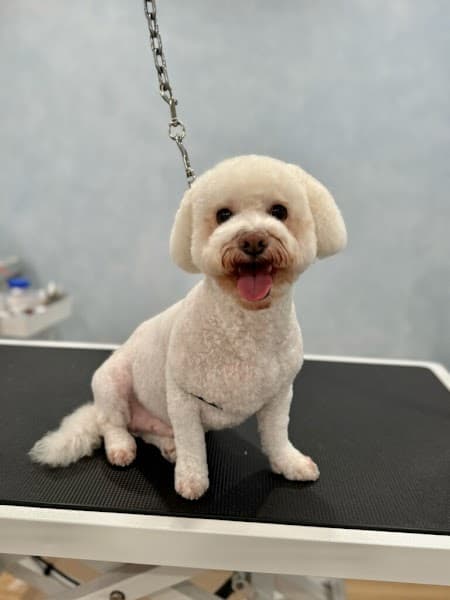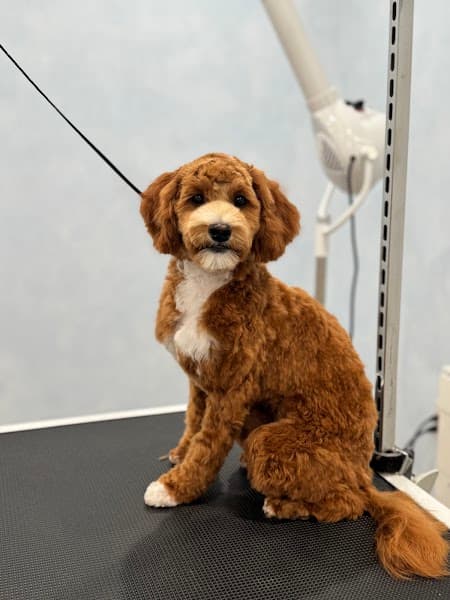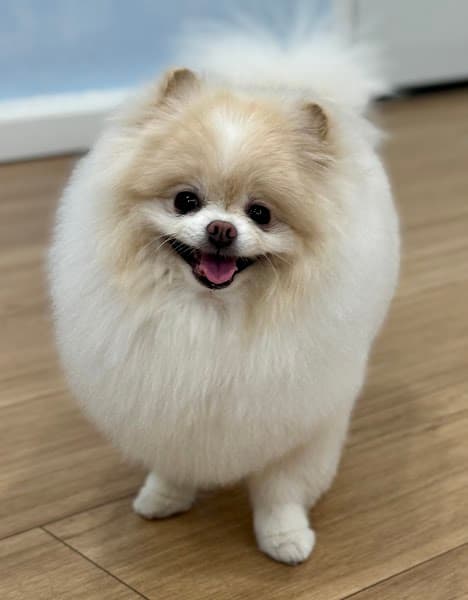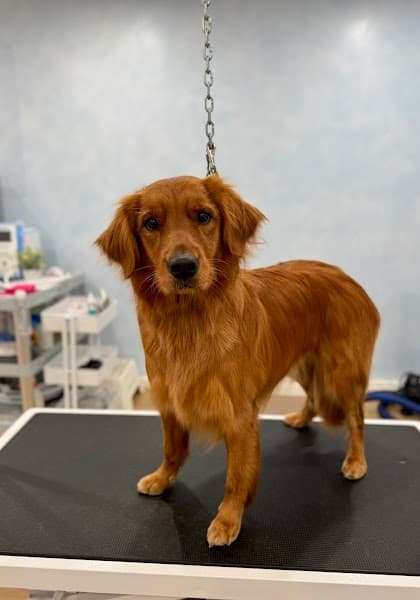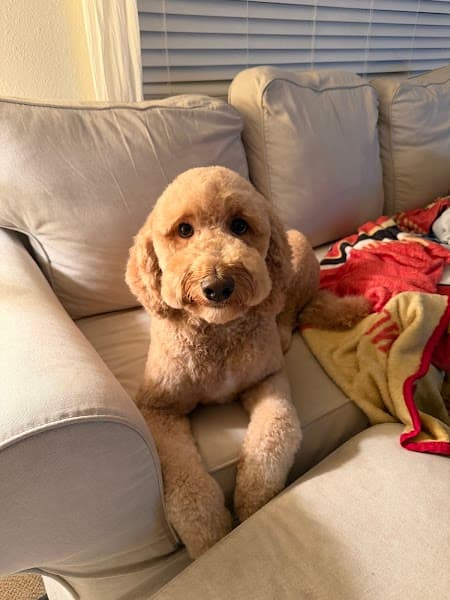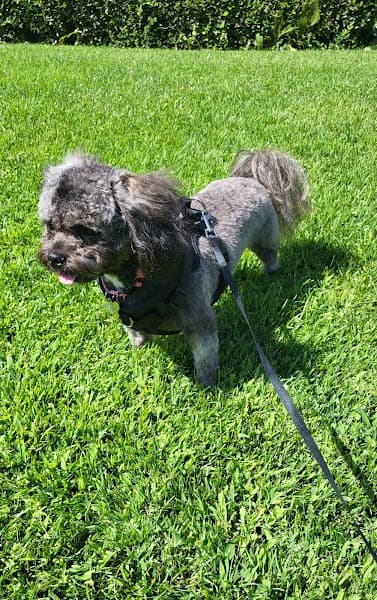
Poodles are the foundation breed behind much of Sacramento's current designer-dog boom, but the purebred Standard, Miniature, and Toy Poodle remains a distinct animal with grooming requirements that are often misunderstood — even by experienced dog owners. The core issue: their single-layer, continuously growing coat behaves unlike any other breed. It doesn't shed in the traditional sense. Instead, loose hairs get trapped in the curl and mat from the inside out.
This guide covers everything you need to maintain a poodle coat at home, choose the right cut, and know when to hand the job to a professional.
The Poodle Coat: What Makes It Different
Most double-coated breeds cycle through seasonal shedding. Poodles don't. Their single-layer coat grows continuously, and loose hairs that would fall to the floor on a Labrador get caught inside the curls on a poodle. The result: without regular brushing, mats form invisibly beneath the surface until they're painful and difficult to remove.
The density and curl tightness vary by variety:
- Standard Poodles have the most volume and typically take the longest to groom. Their coats are forgiving of slightly longer brushing intervals but punishing when neglected.
- Miniature Poodles sit in the middle — dense enough to mat quickly, manageable enough for weekly at-home maintenance.
- Toy Poodles have finer, softer fur that mats faster than either of the larger varieties. Daily brushing is often necessary to stay ahead of tangles around the ears, collar line, and leg joints.
Coat texture also shifts as poodles mature. Puppies have soft, loose curls that are relatively easy to manage. At 9–18 months, the adult coat comes in: denser, tighter, and significantly more prone to matting. Many poodle owners are caught off guard by this transition.
Brushing
The technique that prevents matting in poodles is the same one used for doodles: line-brushing. Part the coat horizontally, hold back the fur above the part, and brush downward from that line. Move the part up an inch, repeat. You're working section by section from skin to tip — not skimming the surface.
The tools that actually work:
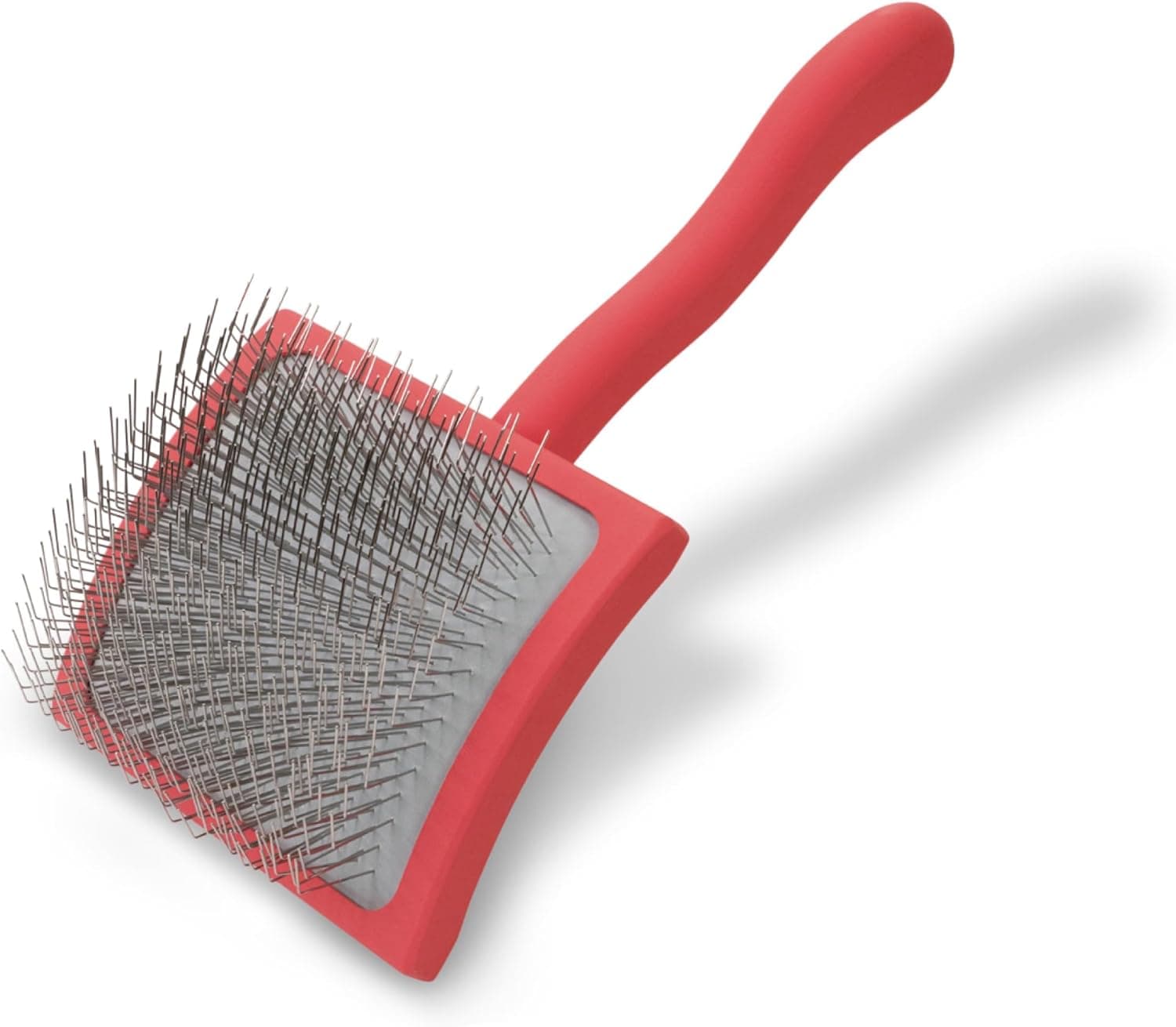
Chris Christensen Big G Slicker Brush
Fine, flexible pins that reach through poodle curls to detangle from the skin without scratching. The industry standard for line-brushing dense, curly coats. Worth the price for anyone with a Standard or Miniature Poodle.
Shop on Amazon →As an Amazon Associate we earn from qualifying purchases — at no extra cost to you.
After every brushing session, run a metal comb through the coat from skin to tip. If it catches anywhere, you're not done. This is how professional groomers verify their work, and it's the single habit that separates poodles who never mat from poodles who end up shaved every appointment.
Brushing frequency by variety
| Variety | At-home brushing | Professional groom |
|---|---|---|
| Standard | Every 2–3 days | Every 4–6 weeks |
| Miniature | Every 2–3 days | Every 4–6 weeks |
| Toy | Daily | Every 3–4 weeks |
If your poodle is in a longer style (more than 2 inches), bump frequency up by one tier regardless of variety.
Common Poodle Cuts
Poodle cuts range from the elaborate Continental show clips to practical everyday styles. Here's what you're likely to encounter:
The Sporting / Kennel Clip
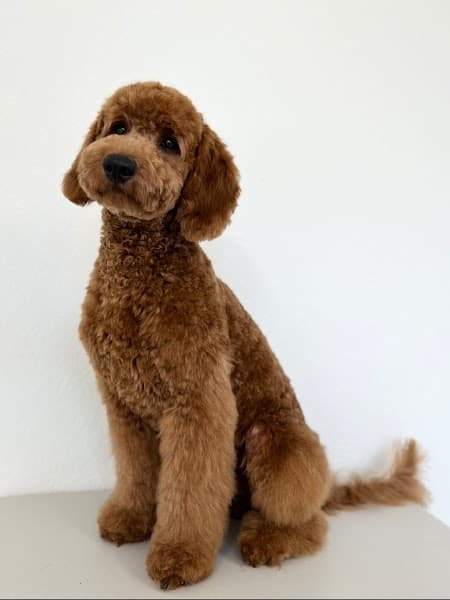
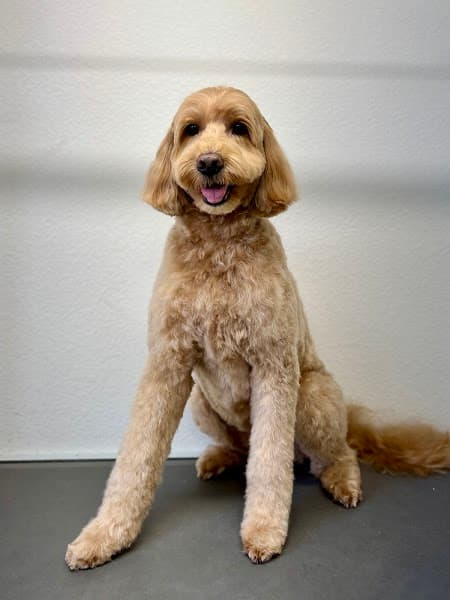
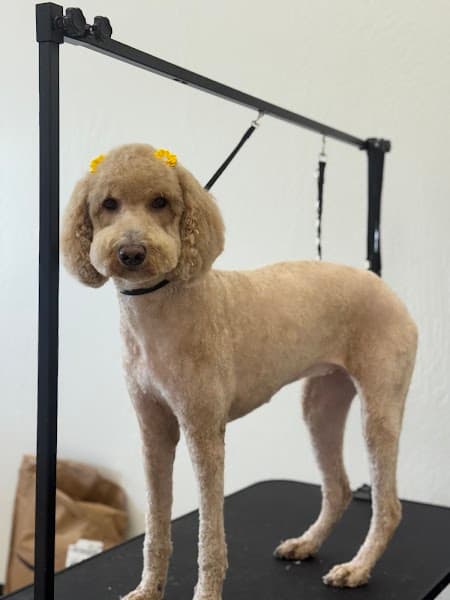
Even length all over the body, with a natural face and full tail. The most practical cut for pet owners. Easy to maintain at home between appointments, flattering on all three varieties, and manageable for most groomers.
The Miami / Bikini Clip
Shaved face, feet, and tail base, with a full pompom on the tail tip and full coat on the body and legs. A middle ground between the sporting clip and show cuts — more visual interest without the complexity of a Continental.
The Continental Clip
The traditional AKC show cut: shaved hindquarters with rosettes over the hips, bracelets on the legs, shaved face, feet, and tail base. Requires significant grooming skill and maintenance. Not practical for most pet owners but spectacular for show dogs or owners who want the classic poodle look.
The Scandinavian / Modern Clip
A contemporary sculpted look with rounded legs, a full face, and natural-looking body shaping. Popular in European grooming competitions. Requires hand-scissoring skill but looks cleaner and more modern than traditional American clips.
Most Sacramento poodle owners opt for a sporting clip or a modified Miami for everyday life.
Bathing
Poodles should be bathed every 3–4 weeks. More frequent bathing strips the natural oils that keep poodle curls supple and easy to brush — a dry, brittle poodle coat mats faster than a well-conditioned one.
Pre-bath rule: Brush fully before getting the coat wet. Water causes existing tangles to tighten and felt. A minor mat before a bath becomes a hard knot after. Run the metal comb to confirm the coat is clear, then bathe.
Use a conditioner after every wash and let it sit for 2–3 minutes before rinsing. For Toy Poodles especially, a leave-in detangling spray applied after drying makes the next brushing session significantly easier.
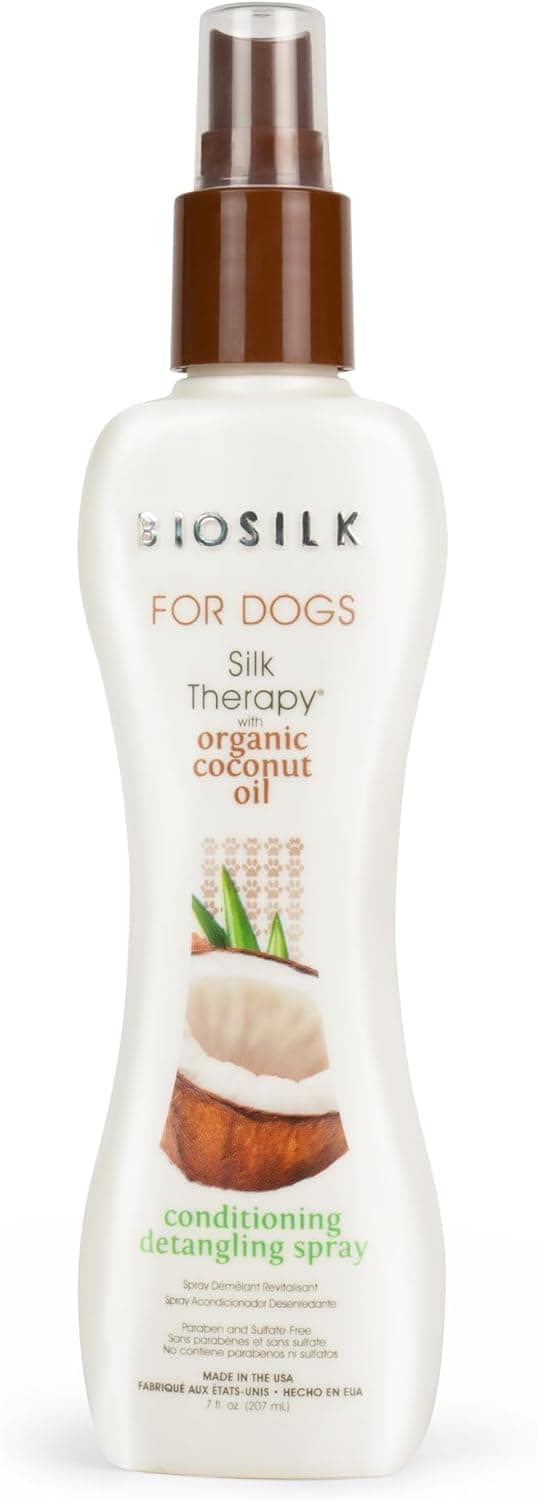
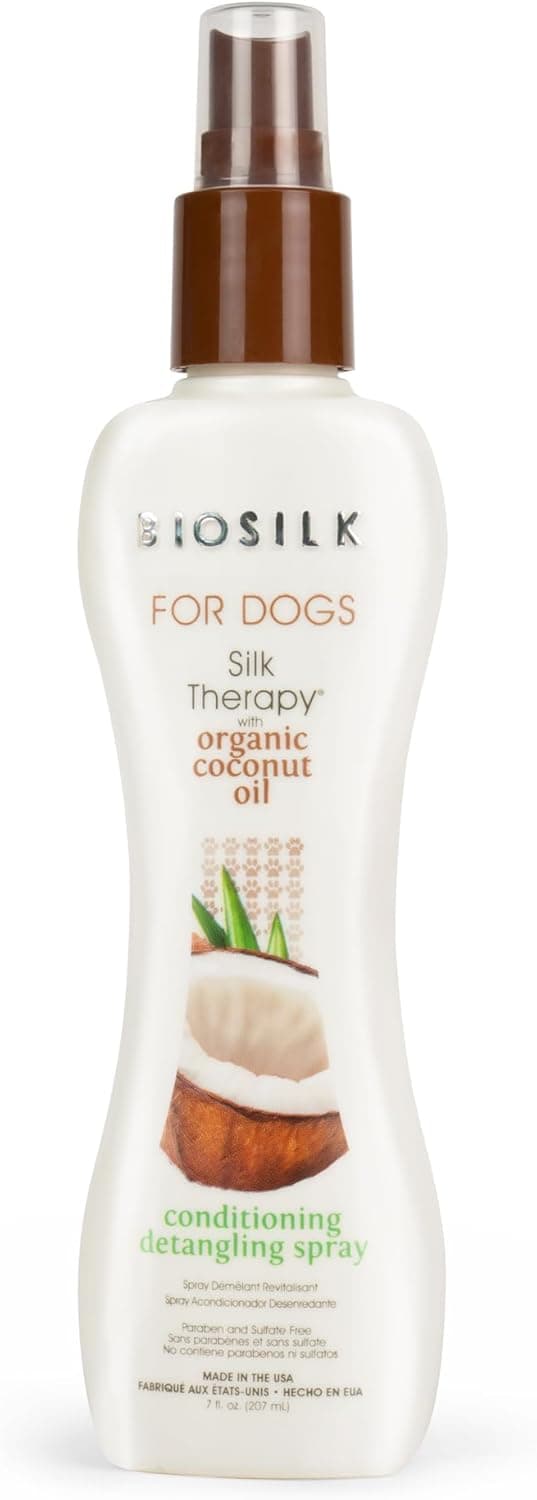
BioSilk Silk Therapy Detangling Spray
Lightweight conditioning spray that softens poodle curls without weighing them down. Apply before brushing or after bathing to reduce resistance in the comb. Safe for daily use on Toy and Miniature coats.
Shop on Amazon →As an Amazon Associate we earn from qualifying purchases — at no extra cost to you.
Clipping at Home
Most owners can handle face trims, paw trims, and sanitary areas between professional appointments. Body clipping requires a quality clipper — cheap pet trimmers bog down in poodle density and pull instead of cut, which is how dogs develop grooming anxiety.
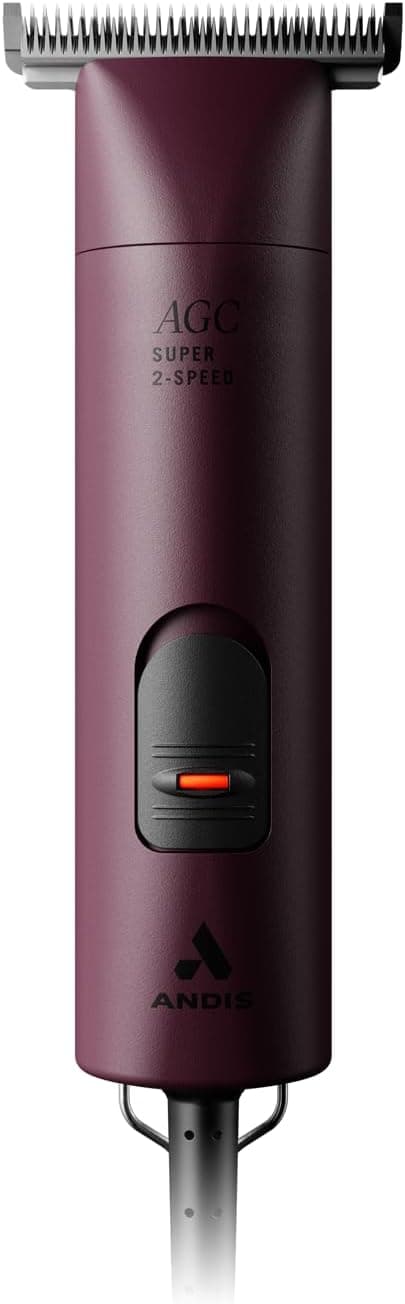
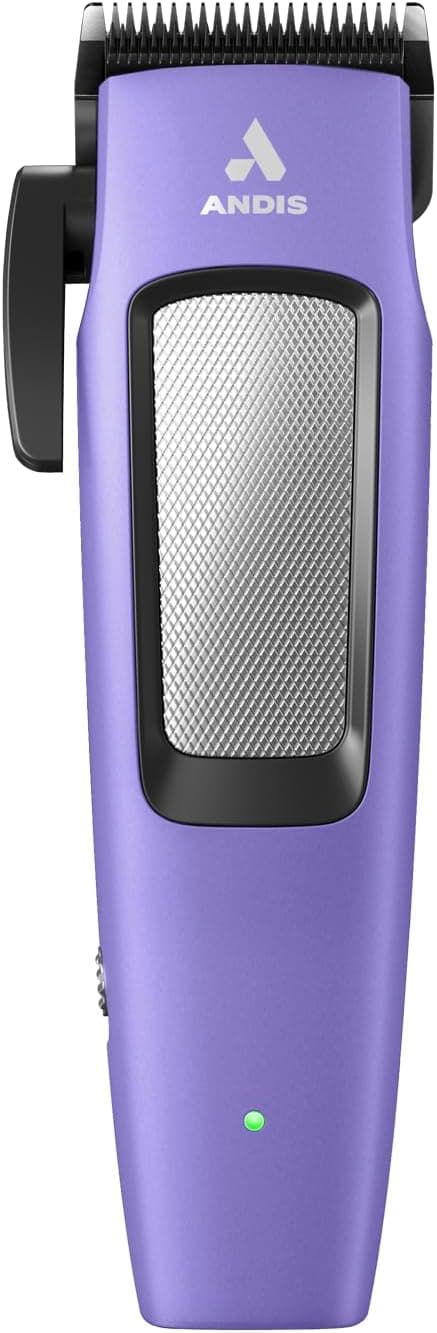
Andis ProClip AGC2 Two-Speed Clipper
The clipper most professional groomers keep as their primary or backup tool. Two-speed rotary motor handles poodle density without bogging down. Works with standard snap-on blade guards for consistent length. A genuine investment that outlasts cheap alternatives significantly.
Shop on Amazon →As an Amazon Associate we earn from qualifying purchases — at no extra cost to you.
For hand-scissoring — which is required for a polished poodle finish on the face, legs, and topknot — you need sharp, professional scissors and practice. Most pet owners find that doing the body with clippers and leaving the hand-scissoring to a professional groomer gives the best balance of cost and quality.
Choosing a Groomer for Your Poodle
Not all groomers have equal poodle experience. Look for:
- Hand-scissoring comfort. A poodle finished entirely with clippers won't have the same clean lines as one where the groomer finished with scissors.
- Coat texture knowledge. Groomers who understand how poodle coats change from puppy to adult won't be caught off guard by the transition and won't recommend the wrong products or cuts.
- Doodle Specialist or Creative Styling tags. In our directory, groomers with these specialties typically have strong poodle backgrounds — doodle coats share much of the same curl structure and maintenance requirements.
FAQ
How often should you groom a poodle?
Professional grooming every 4–6 weeks for Standards and Miniatures, every 3–4 weeks for Toys. At home: brush every 2–3 days minimum, daily for Toys. Don't skip professional appointments beyond 8 weeks — the coat becomes significantly harder to manage and often requires a reset clip.
Do poodles need haircuts?
Yes. Unlike double-coated breeds, poodle coats don't shed and don't self-regulate length. Without regular clipping, the coat grows continuously, becomes increasingly difficult to brush out, and eventually mats to the point of requiring a full shave-down.
Are poodles really hypoallergenic?
Poodles are lower-shedding than most breeds, which reduces the amount of dander-carrying hair in your environment. But "hypoallergenic" is a misnomer — no dog breed is truly hypoallergenic. People allergic to dog saliva or skin proteins will still react to poodles. The reduced shedding helps; it doesn't eliminate the issue.